
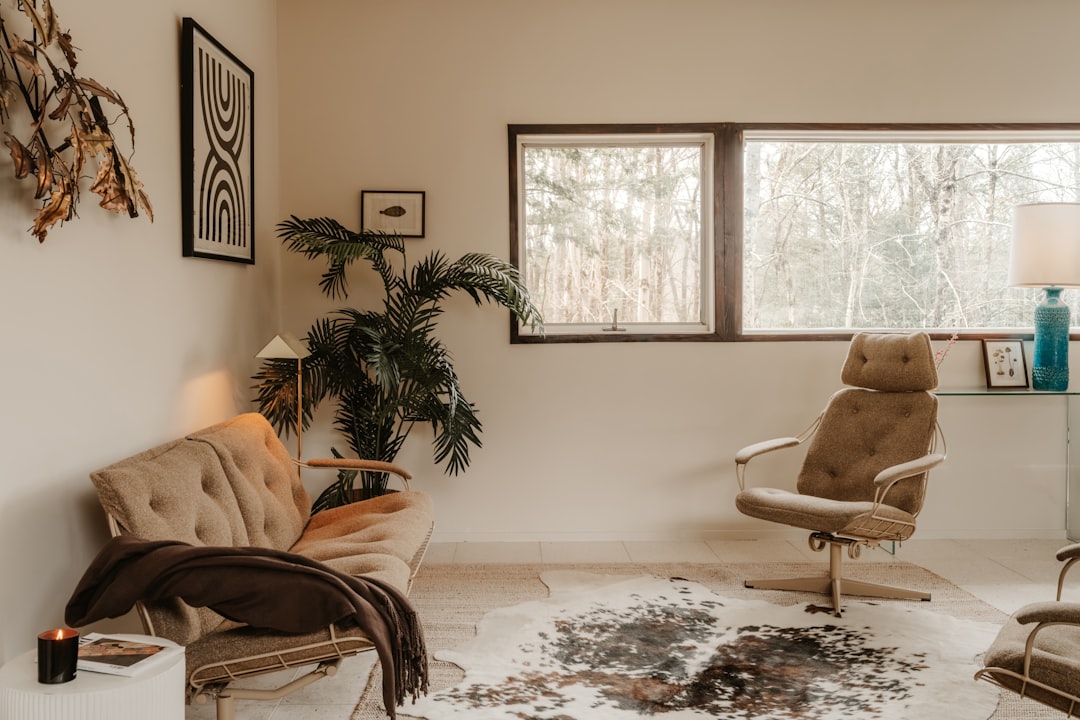
Choosing the perfect color palette for your home is a crucial step in creating a space that reflects your personality and meets your lifestyle needs. The right colors can enhance the mood of a room, create a sense of harmony, and even influence how spacious or cozy a space feels. As we look towards the upcoming year, understanding color trends and their psychological impacts will be essential for homeowners and designers alike.
Understanding Color Psychology
Color psychology plays a significant role in how we perceive our environment. Different colors evoke different emotions and can influence our mood and behavior. For instance, blues and greens are often associated with calmness and tranquility, making them ideal for bedrooms or relaxation areas. On the other hand, warm colors like reds and yellows can energize a space, making them suitable for kitchens or social areas.
When selecting a color palette, consider the emotions you want to evoke in each room. A well-thought-out color scheme can enhance your daily experiences and create a cohesive flow throughout your home. By understanding the psychological effects of colors, you can make informed decisions that align with your personal style and the functionality of each space.
Identifying Your Style
Your personal style is a crucial factor in choosing a color palette. Whether you lean towards modern minimalism, rustic charm, or eclectic bohemian, your color choices should reflect your aesthetic preferences. Take time to explore different design styles and gather inspiration from various sources, such as magazines, websites, and social media platforms.
Create a mood board that showcases colors, textures, and patterns that resonate with you. This visual representation will help you identify common themes and guide your color selections. Remember, your home should be a reflection of who you are, so choose colors that make you feel comfortable and happy.
Considering Lighting and Space
Lighting is a critical element that can dramatically affect how colors appear in your home. Natural light can bring out the vibrancy of colors, while artificial lighting can alter their perception. Before finalizing your color palette, observe how different colors look in various lighting conditions throughout the day.
Creating a Cohesive Palette
Once you have a clear understanding of color psychology, your personal style, and the impact of lighting, it’s time to create a cohesive color palette. A well-balanced palette typically consists of a primary color, secondary colors, and accent colors. The primary color will dominate the space, while secondary colors can complement and enhance the overall look.
Accent colors can be used sparingly to add interest and depth to your design. Consider using different shades and tones of your chosen colors to create visual variety without overwhelming the space. This approach will help you maintain a harmonious flow throughout your home while allowing for personal expression in each room.
Emerging Trends for the Upcoming Year
As we move into the upcoming year, two notable trends are expected to shape color choices in interior design. First, the rise of biophilic design emphasizes the use of natural colors inspired by nature, such as earthy greens, soft browns, and sky blues. This trend encourages a connection with the outdoors and promotes a sense of well-being within the home.
Secondly, bold and vibrant colors are making a comeback, with homeowners increasingly willing to experiment with daring hues. This trend allows for personal expression and creativity, encouraging individuals to embrace their unique style. By staying informed about these trends, you can make color choices that not only reflect your personality but also align with the evolving landscape of interior design.