Lighting is a crucial element in interior design that significantly influences the ambiance and functionality of a space. It can transform a room from dull to vibrant, creating an atmosphere that enhances the overall aesthetic. Understanding the impact of lighting allows homeowners and designers to make informed decisions that elevate the design and usability of any environment.
Understanding the Basics of Lighting
Lighting can be categorized into three main types: ambient, task, and accent. Ambient lighting provides the general illumination needed for a space, while task lighting focuses on specific areas where activities such as reading or cooking occur. Accent lighting, on the other hand, highlights particular features or objects within a room, adding depth and interest. By combining these types of lighting, one can create a well-balanced and functional environment.
When planning lighting for a space, consider the natural light available and how it interacts with artificial sources. The time of day and the season can affect how light enters a room, influencing the overall mood. Therefore, it is essential to assess both natural and artificial lighting to achieve the desired effect.
The Role of Lighting in Interior Design
Lighting plays a pivotal role in shaping the perception of space. It can make a small room feel larger or a large room feel cozier, depending on how it is used. For instance, using soft, warm lighting can create an inviting atmosphere, while bright, cool lighting can energize a space. Understanding the psychological effects of different lighting types can help in designing spaces that evoke specific emotions.
Moreover, lighting can enhance the architectural features of a room. By strategically placing lights to highlight textures, colors, and shapes, designers can draw attention to the unique aspects of a space. This not only adds visual interest but also showcases the design elements that make a room special.
Practical Applications of Lighting Design
Incorporating effective lighting design into your home can lead to significant improvements in both functionality and aesthetics. For example, in a kitchen, task lighting above countertops can enhance visibility while preparing meals, making the space more practical. Similarly, in living areas, ambient lighting can create a warm and inviting environment for relaxation and socializing.
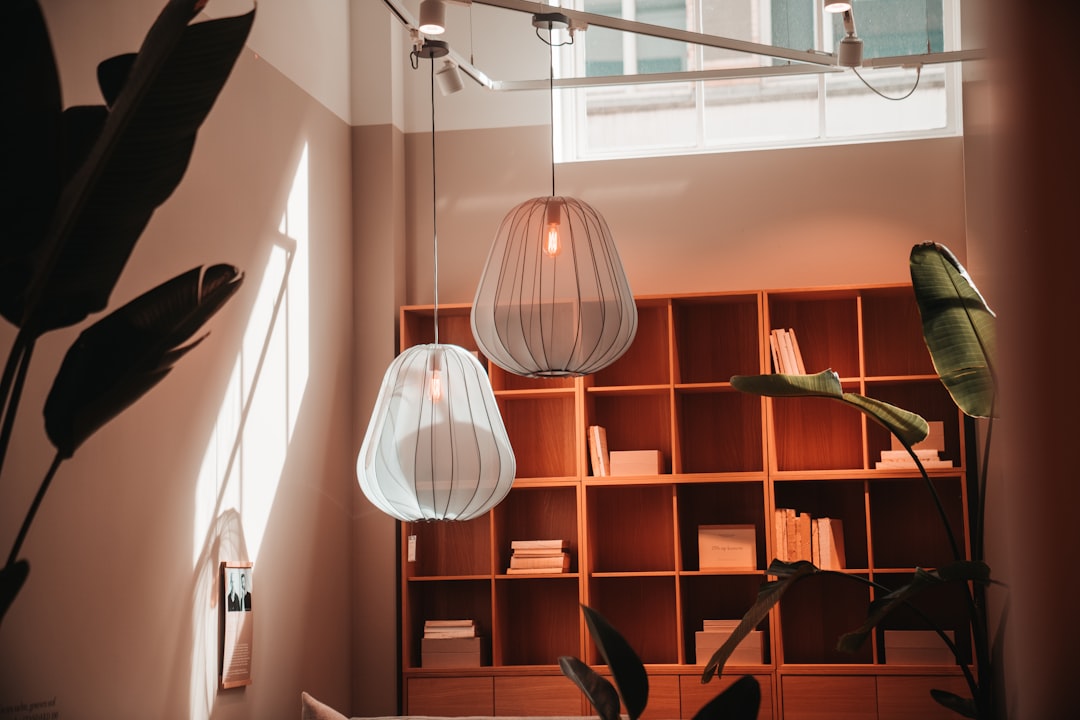
Additionally, lighting can be used to define different areas within an open floor plan. By using varied lighting techniques, such as pendant lights over a dining table or floor lamps in a reading nook, you can create distinct zones that serve different purposes without the need for physical barriers.
Choosing the Right Lighting Fixtures
Selecting the appropriate lighting fixtures is essential for achieving the desired ambiance. Consider the style of the room and choose fixtures that complement the overall design. For instance, modern spaces may benefit from sleek, minimalist fixtures, while traditional rooms may call for more ornate designs. The scale of the fixtures should also be proportional to the size of the room to maintain balance.
Furthermore, the color temperature of the bulbs used can significantly affect the mood of a space. Warmer tones (2700K-3000K) create a cozy and inviting atmosphere, while cooler tones (3500K-4100K) can promote alertness and focus. It is important to select bulbs that align with the intended use of each space.
Checklist: Key Considerations for Effective Lighting Design
When planning your lighting design, keep the following checklist in mind: assess the natural light sources, determine the purpose of each space, and choose fixtures that enhance the overall design. By following these steps, you can ensure that your lighting not only meets functional needs but also contributes to the beauty and comfort of your home.
In conclusion, the impact of lighting on interior design and ambiance cannot be overstated. By understanding the different types of lighting, their roles, and how to effectively implement them, you can create spaces that are not only visually appealing but also functional and inviting. Embrace the power of lighting to transform your interiors and elevate your everyday experiences.